Creations
Lafayette Concrete Creations
Foundation Repair
Discuss practical next steps for foundation concerns and repair needs.
Call for special offer ↗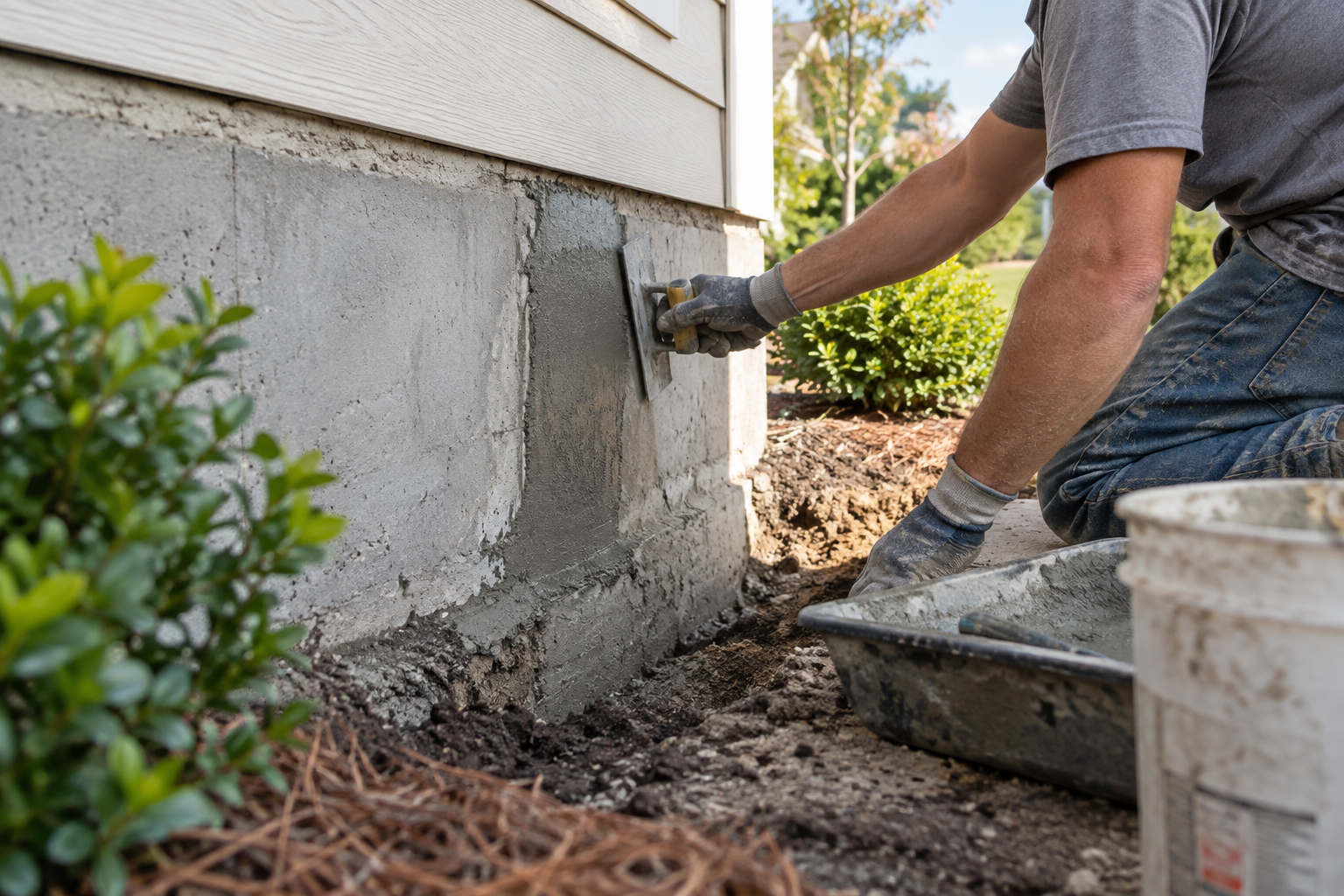
Quick summary
A practical guide to evaluating foundation repair concerns in Lafayette, including movement, water, drainage, cracks, and professional assessment.
Planning foundation repair around the property.
Foundation concerns deserve a careful look because the visible symptom may not show the whole problem. Cracks, settlement, moisture, grading, and changes around the structure can all be relevant.
The planning conversation covers the existing surface, grade, drainage, access, adjoining structures, utilities, and the way the area will be used. New work should connect cleanly to what is already there, while replacement work may need removal, base preparation, and protection for nearby landscaping or finishes. Timing matters too: gates, vehicles, pets, tenants, deliveries, and other contractors may all affect the sequence.
A practical, owner-led conversation.
Mike's owner-led approach starts with the property and the customer's routine. The goal is to understand what the finished space needs to do, explain the practical tradeoffs, and keep the conversation moving. Photos, measurements, drawings, drainage observations, and clear questions make the first discussion more useful than a generic package or a promise based only on a few pictures.
Every property has a different starting point. Existing concrete, soil, drainage, access, nearby structures, and the way the area is used can change the right scope. We take time to understand those conditions before recommending a direction, so the work is connected to the property instead of treated like a generic package.
It is also useful to discuss timing and communication early. Customers may need to coordinate gates, vehicles, pets, tenants, deliveries, landscaping, or other contractors. A clear plan helps everyone know what needs to be moved, what must remain accessible, and what decisions need to be made before work begins.
For larger or more involved work, the conversation may include measurements, photos, drawings, drainage observations, product information, and questions for a qualified specialist. When a project touches structural conditions, public access, permits, or code requirements, the correct next step may include an engineer, architect, inspector, or local authority. Good project planning includes knowing when another professional should be involved.
Questions worth answering before work starts.
What will the area be used for? Where should water go? How will people, vehicles, and equipment reach it? What needs to stay open? What should the finished surface connect to? What maintenance will be realistic after completion? These questions help turn a broad idea into a workable scope and make it easier to compare options.
Customers should also ask what preparation is included, how existing concrete or debris will be handled, what assumptions affect the estimate, and how changes will be communicated. Those details are part of understanding the project and avoiding surprises when site conditions become visible.
Related concrete services
Helpful industry references
These organizations publish general information about concrete, construction safety, and industry practice. They are useful background reading, but they do not replace a site-specific assessment or local requirements.
Next step
Let's understand what your property needs.
Share the type of work you are considering, where you are located, and what you want the finished space to do.